











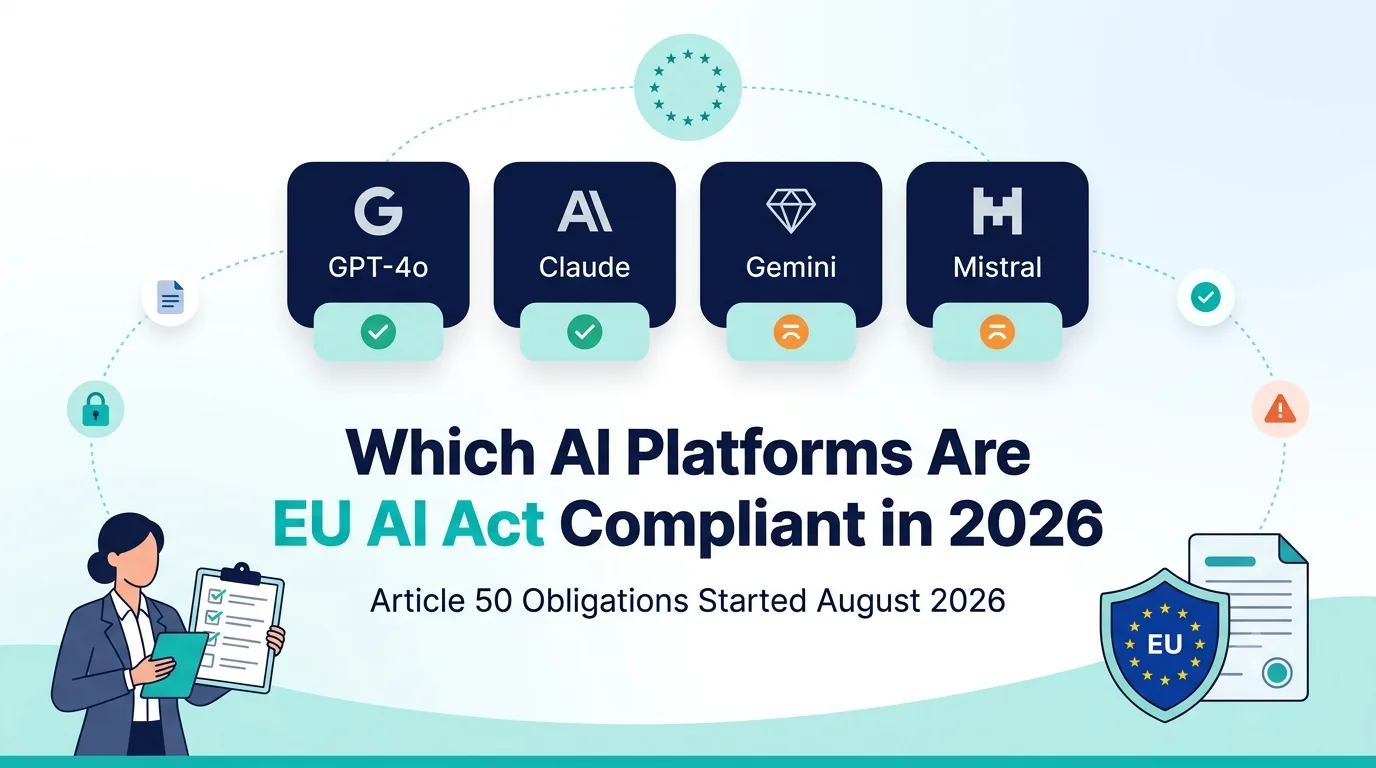
Which AI Platforms Are EU AI Act Compliant in 2026?
GPT-4o, Claude, Gemini and Mistral are taking steps toward EU AI Act compliance — but no platform carries a universal...
Read MoreBuild AI agents that can work with your data, applications, and business processes. Quantal AI connects you with experienced developers who work with LLMs, RAG, agent frameworks, APIs, and workflow automation. Whether you need someone to build an agent from the ground up or add agent capabilities to an existing product, you can hire expert AI agent developer based on your technical and project needs.
Our Trusted Clients


Senior AI Engineer/Developer
Senior AI Engineer/Developer
Senior AI Engineer/Developer
AI Consultant
US Business Partner
AI Engineer
Build agents that can take a task, work through the required steps, use connected tools, and complete an action. This can include everything from information retrieval and data processing to sending updates or triggering actions in another system.
Some workflows are easier to manage when different agents handle different responsibilities. Developers can design systems where agents share information, pass tasks between one another, and work together under a defined process.
Connect an AI agent to company documents, databases, and other knowledge sources. RAG allows the agent to retrieve relevant information before responding or acting, which is useful when the system needs access to information that is specific to the business.
Connect with agents with APIs, business applications, databases, and other tools already used by your team. This allows selected parts of a workflow to be handled automatically instead of requiring employees to move information between systems manually.
Use models such as OpenAI, Claude, Gemini, and open-source LLMs within agent-based applications. Development can include tool calling, prompt design, memory, model selection, and the logic that determines which action an agent should take.
An agent needs to be monitored after it goes live. Developers can set up logging, error handling, usage and cost tracking, performance checks, and other controls needed to find problems and keep the system working as expected.

Suitable for agents that need text generation, reasoning, structured outputs, function calling, and interaction with external tools.

Useful for applications that work with large documents, detailed instructions, knowledge retrieval, and multi-step tasks.

A suitable option for applications that need to work with text alongside images, audio, or other supported input formats.

Open-weight models that give teams more control over model deployment, customization, and infrastructure.

Useful for applications where model performance, response time, deployment options, and operating costs all need to be considered.

Can be considered for applications that need access to current information and real-time data, depending on the model and integration requirements.
Automate defined business tasks that involve several steps. An agent can retrieve information, process it, take approved action, and record the result in the relevant system.
Build applications where multiple agents handle different parts of a larger task. One agent may gather information; another may analyze it, while an orchestration layer manages the sequence and passes information between them.
Connect an agent to internal documents, databases, and knowledge repositories. The system can retrieve relevant information when responding to questions or completing tasks that depend on company-specific data.
Develop agents that can handle multi-step conversations while keeping track of relevant context. They can be connected to customer service, sales, support, or internal helpdesk workflows.
Use agents to support parts of the sales process, such as researching prospects, preparing personalized messages, managing follow-ups, and updating information in a CRM.
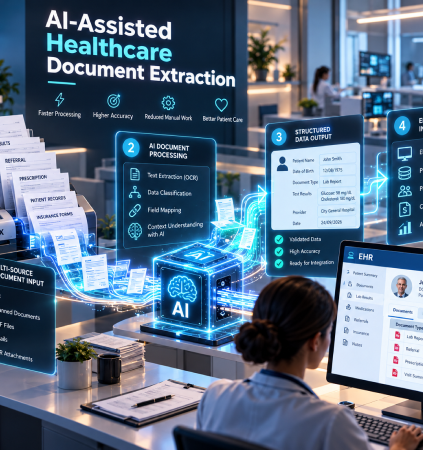
Process documents that would otherwise require manual review. Agents can extract information, classify files, summarize content, and pass the results to other systems or workflows.
Connect agents to databases and structured datasets so users can ask questions in natural language. The system can retrieve data, run analysis, identify patterns, and prepare reports based on the available information.
Add agent-based features to an existing SaaS product, CRM, ERP, or enterprise application. Integration can include search, document processing, task execution, or other functions without requiring the entire product to be rebuilt.
Work with a dedicated developer on a full-time basis. They can become part of your engineering team and handle development, testing, integrations, and ongoing improvements.
Add AI agent specialists to your existing team when you need additional technical skills or development capacity. Your internal team continues to manage the wider product while the added developers focus on agent-related work.
Start with a defined scope, such as a RAG agent, workflow automation system, or multi-agent application. The development team handles the agreed work through development, testing, deployment, documentation, and handover.
Bring an AI agent developer for a specific number of hours or a defined period. This can work for architecture reviews, framework implementation, debugging, integrations, or focused development tasks.

Agents can take care of repetitive tasks such as information gathering, data entry, document handling, and routine follow-ups. Teams can then spend less time moving information between systems.
Developers can work across model selection, agent architecture, RAG, tool integration, orchestration, APIs, testing, and deployment. This allows different parts of an agent project to be handled within the same development workflow.
Share the skills and experience you need, and Quantal AI can match you with a suitable developer within 24 hours, subject to availability and the selected engagement model.
AI agents can be connected to the applications your team already uses, including CRMs, ERPs, databases, APIs, and internal tools. The integration approach depends on the systems involved and the actions the agent needs to perform.
Choose a dedicated developer, team augmentation, project-based development, or a flexible engagement depending on the scope of the work. The model can also be adjusted as the project develops.
Development includes organized code and technical documentation, so your team has the information needed to understand, maintain, and extend the system after handover.
AI agents can support financial document processing, customer service, reporting, research, and other workflows where information needs to be gathered and processed across multiple systems.
Potential applications include patient intake, documentation, medical research support, and information retrieval. Projects involving protected health information require appropriate privacy and security controls.
Agents can assist with document review, contract analysis, legal research, information extraction, and compliance-related workflows involving large collections of text.
Use agents for customer support, product discovery, inventory-related workflows, review analysis, and other processes that involve customers, products, and business data.
AI agents can support candidate sourcing, resume processing, interview scheduling, job description analysis, and recruitment communication workflows.
Add agent capabilities to software products for search, support, onboarding, workflow automation, data retrieval, and other tasks that require interaction with users and application data.
Agents can work with technical documents, maintenance records, quality information, supply chain data, and operational reports to make information easier to retrieve and process.
Potential applications include lead qualification, property search, document processing, customer communication, and market research workflows.

We assess knowledge of agent architectures, LLMs, tool calling, memory, RAG, multi-agent systems, and the design considerations involved in building agent-based applications.
Candidates work through hands-on tasks involving areas such as agent orchestration, RAG, API and tool integration, LangChain, LangGraph, and other relevant frameworks.
Candidates work on a practical agent development problem within defined conditions. The exercise looks at how they structure the solution, connect the required tools, handle errors, and make technical decisions.
We review previous experience with deployed applications and look at areas such as monitoring, logging, error handling, latency, cost management, and maintaining systems after launch.
We assess how clearly developers explain their work, share updates, respond to feedback, and collaborate with distributed product and engineering teams.
Tell us what you want to build, the systems the agent needs to work with, and your preferred hiring model. We can connect you with a vetted developer based on your technical requirements and availability.





Co-Founder · CMU Alumni


Co-Founder · Columbia, Ex UBS


“Quantal AI and Team are EXPERTS at building ANY AI functionality you’re seeking! We’ve hired them for 2 projects already — each completed ON TIME and UNDER BUDGET. Highly Recommended!”

“Working with Quantal AI team has been an absolute pleasure. Their technical aptitude is outstanding — they’re not only highly competent but also creative, thoughtful, and reliable. They built a complex integration for our wine business connecting PhotoRoom, Google Cloud, AWS, and Shopify, and it works beautifully.”

“It was a pleasure working with Quantal AI team. Communication was smooth, deadlines were respected, and the overall collaboration was professional and efficient. I would definitely consider working together again in the future. Recommended!”

KYC verification, fraud detection, signature authentication, and invoice processing...
Read More
We design, build and deploy custom generative AI solutions that move beyond demos...
Read More
Streamline workflows with AI-driven automation for increased efficiency and reduced...
Read More
Build, deploy, and scale production-ready AI solutions with our experienced AI...
Read More
From predictive models to LLM-powered applications, our AI ML services help...
Read More
GPT-4o, Claude, Gemini and Mistral are taking steps toward EU AI Act compliance — but no platform carries a universal...
Read More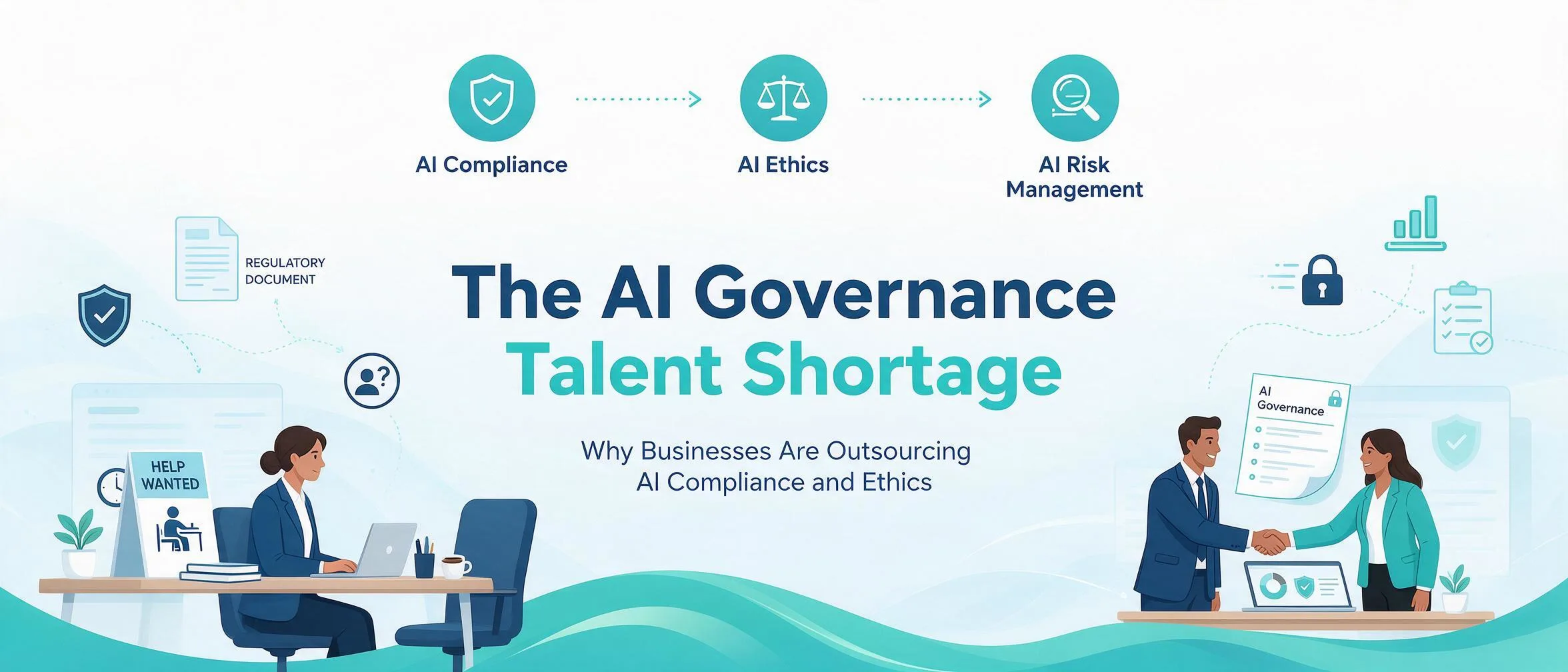
AI governance expertise is one of the hardest skills to hire for in 2026. As regulations grow and AI systems become...
Read More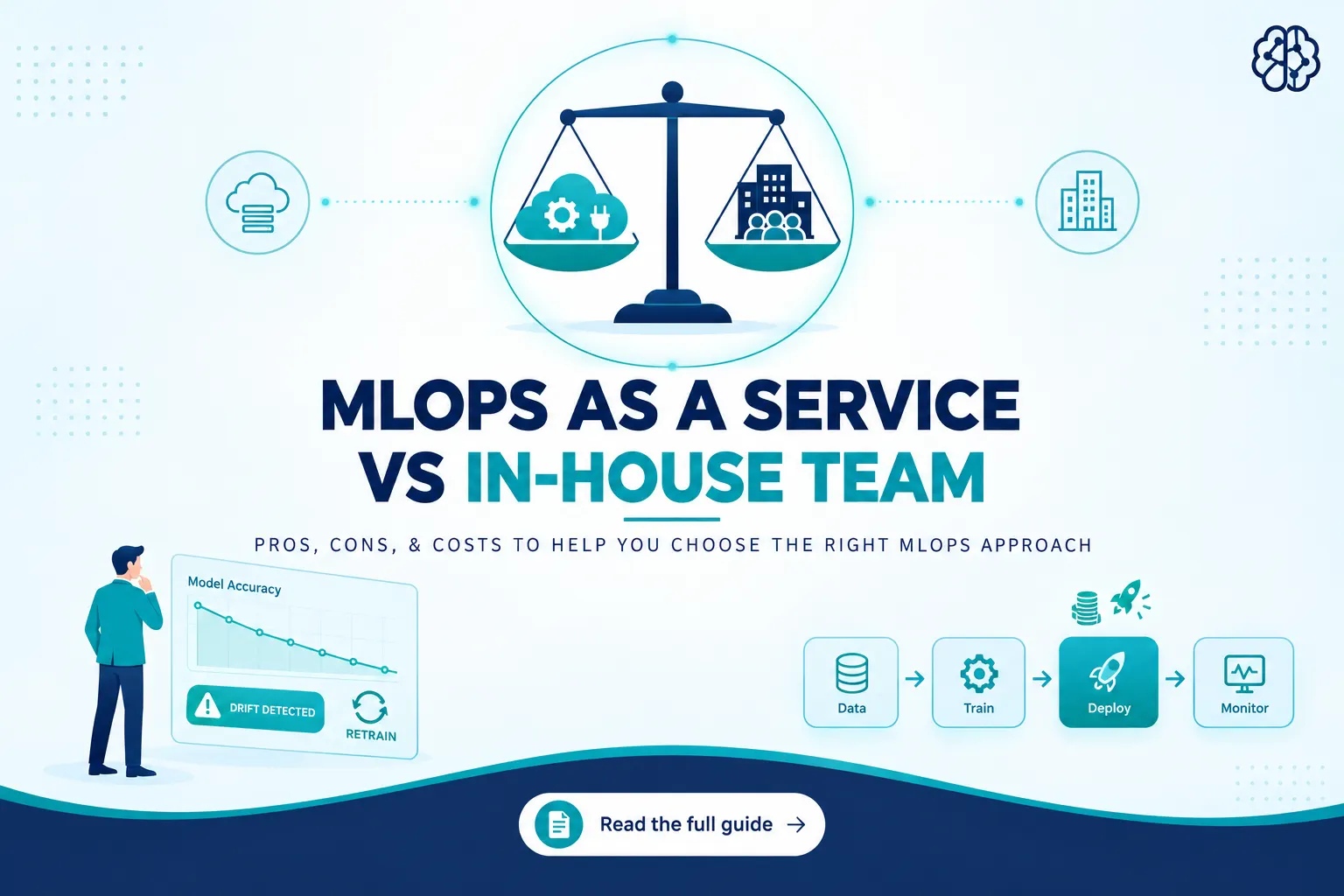
Outsource MLOps or build in-house? Compare the pros, cons, and costs of each approach to choose the right model for...
Read More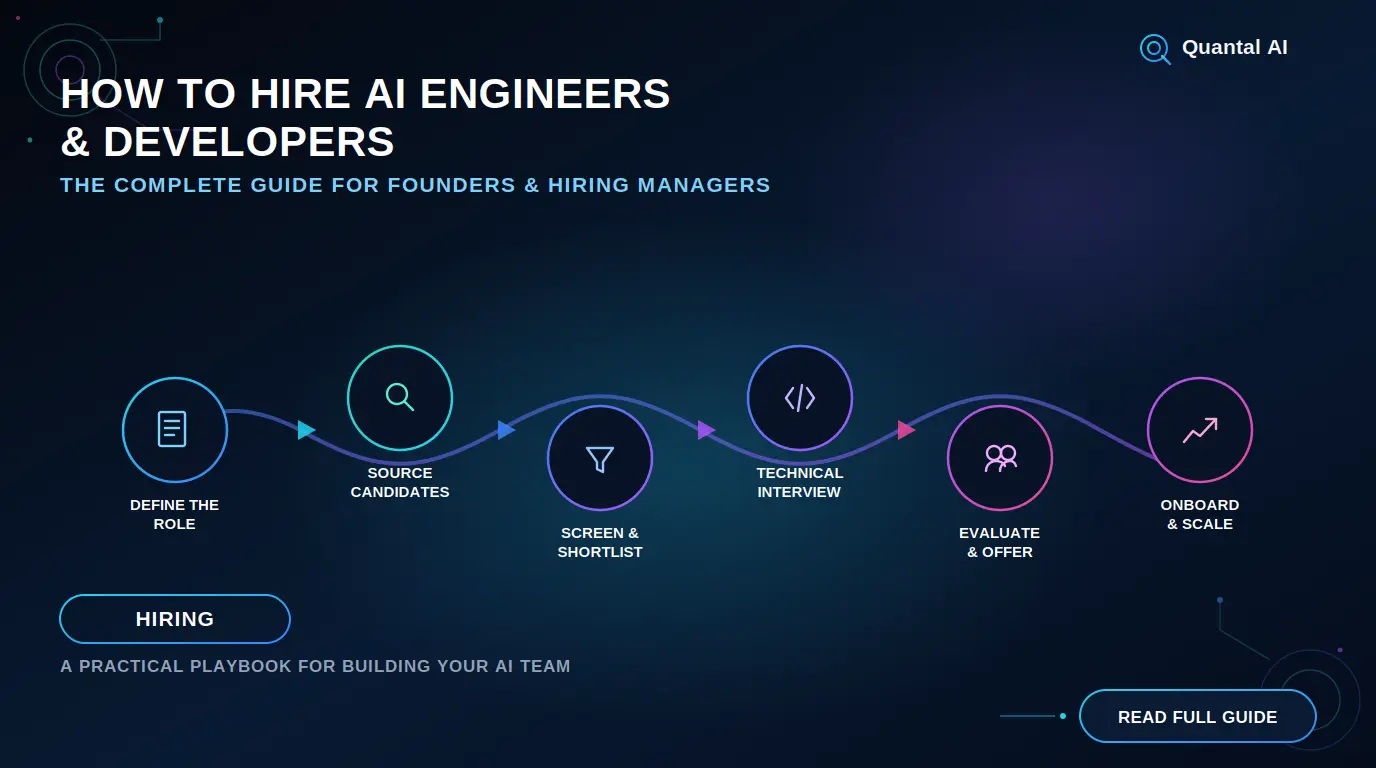
In today's fast-paced digital landscape, staying ahead requires innovation and adaptability. This blog explores the...
Read More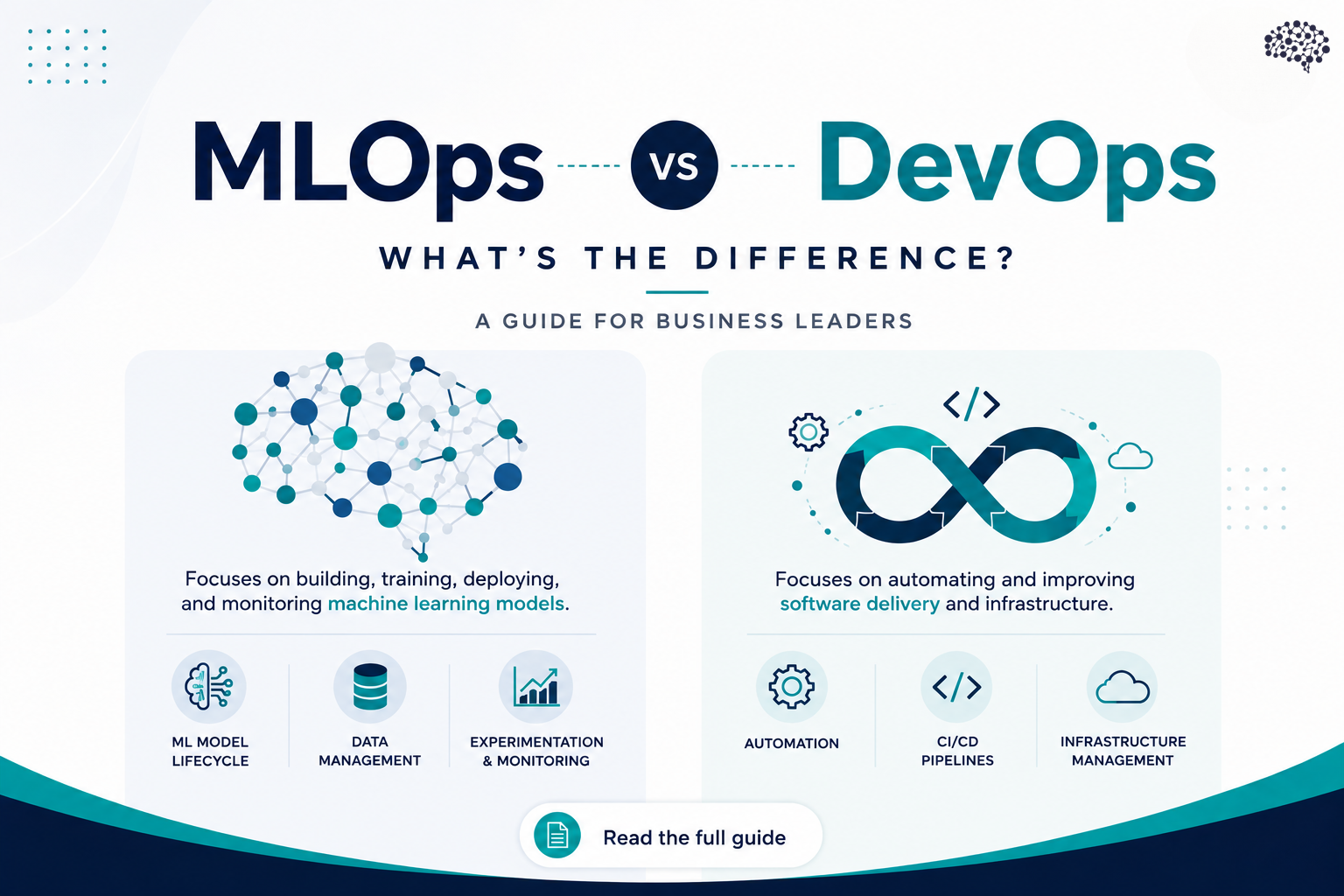
AI and machine learning are now part of many business systems. But building an AI model is only one part of the work....
Read More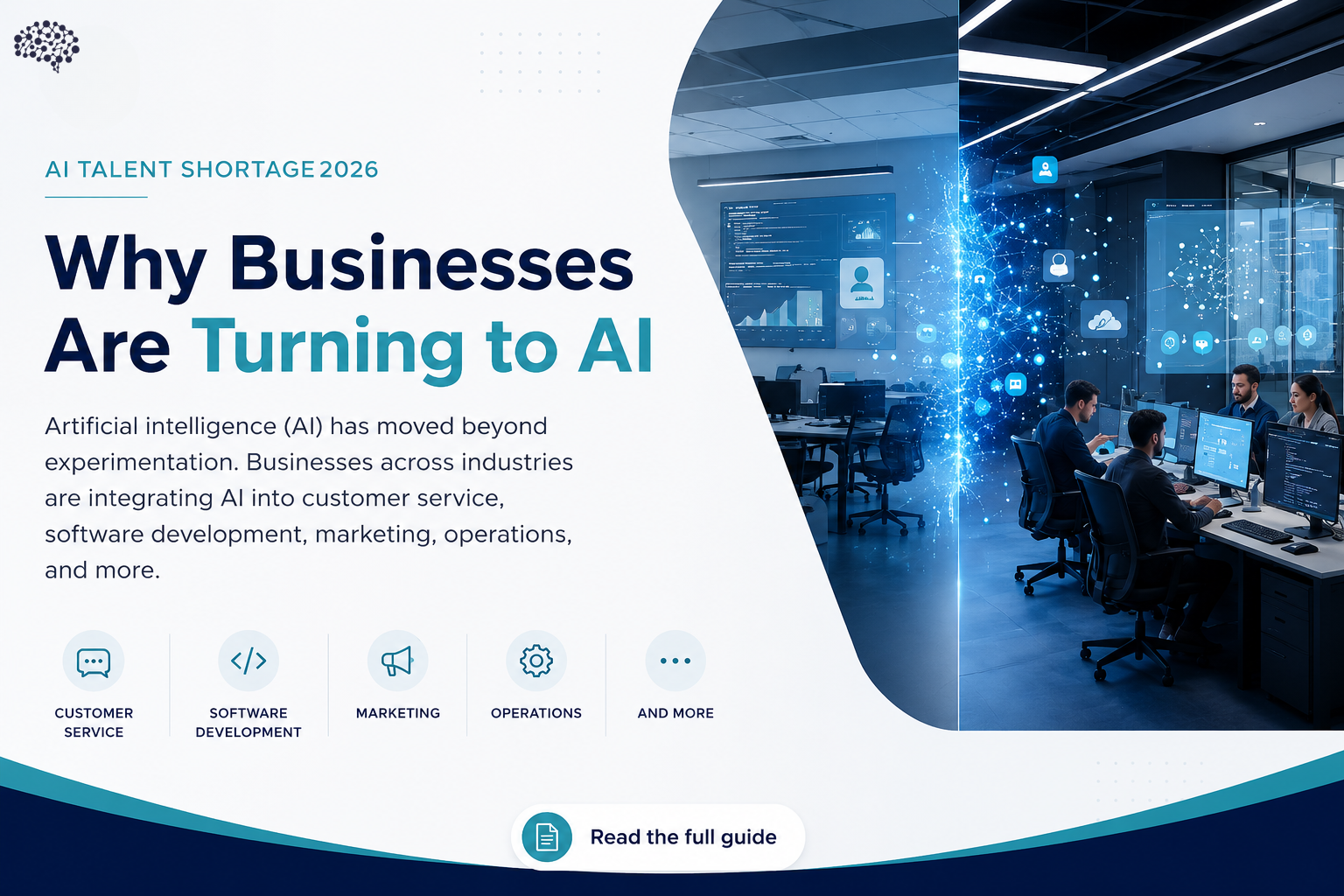
Artificial intelligence (AI) has moved beyond experimentation. Businesses across industries are integrating AI into...
Read More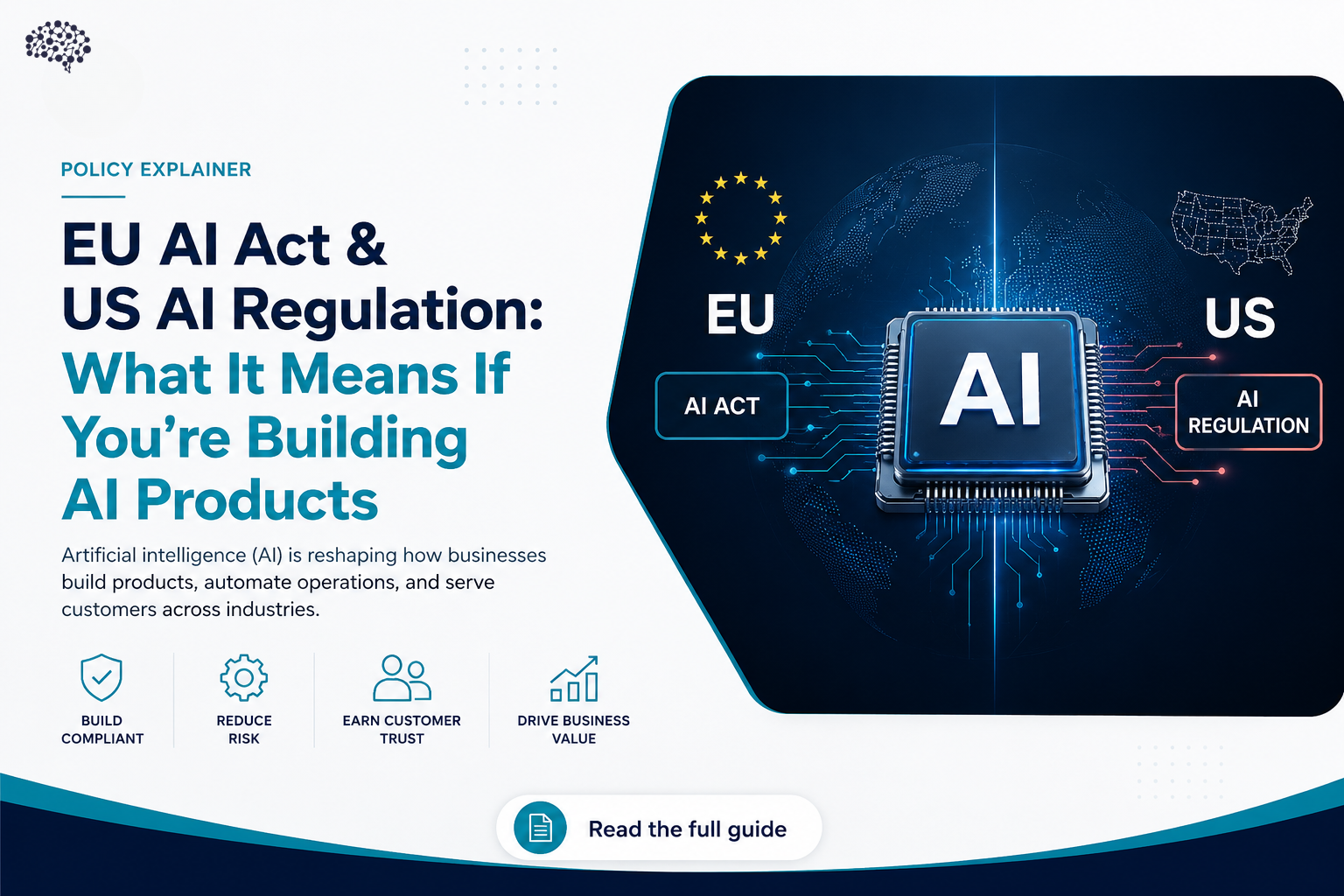
Artificial intelligence (AI) is reshaping how businesses build products, automate operations, and serve customers. From...
Read More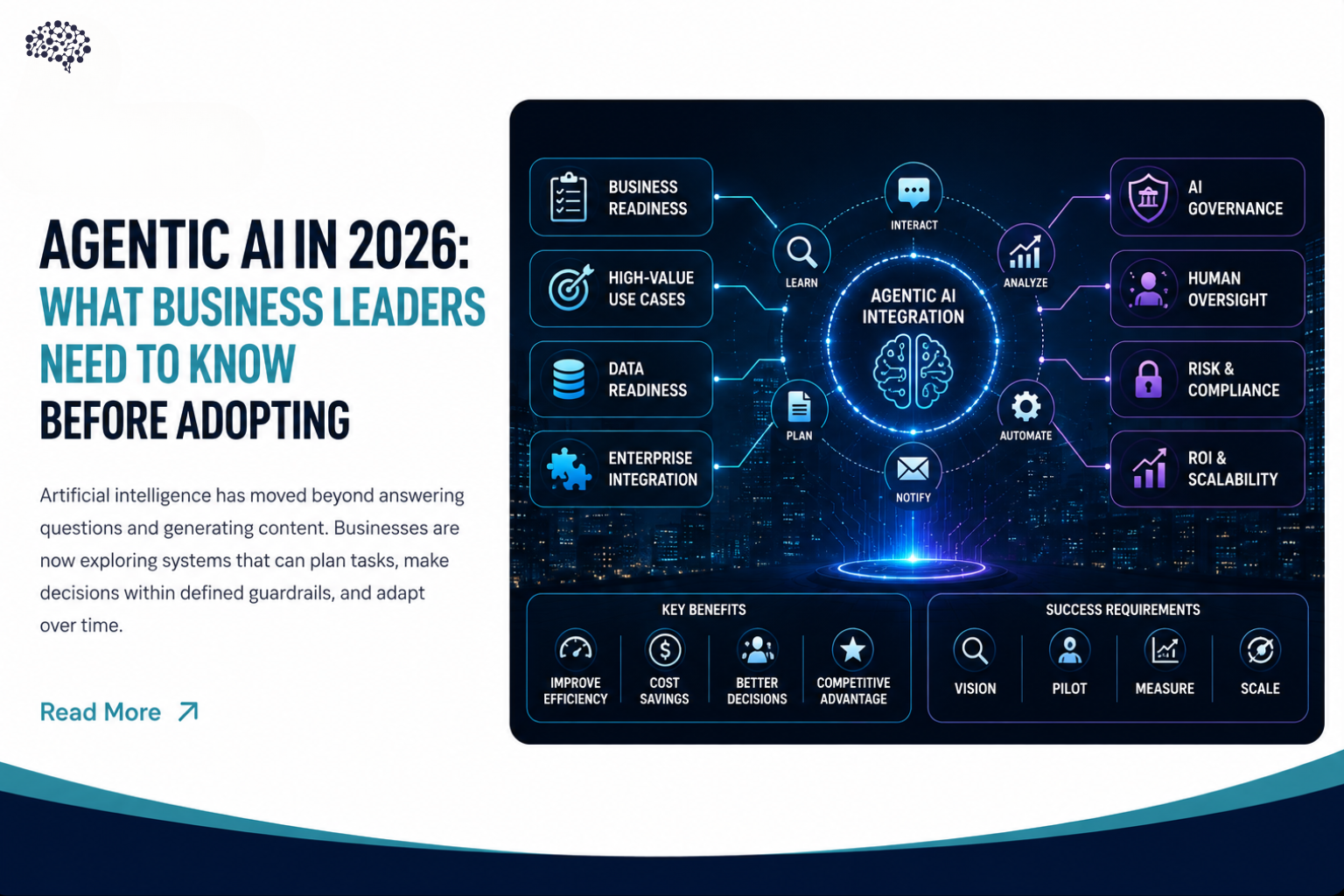
Artificial intelligence has moved beyond answering questions and generating content. Businesses are now exploring...
Read More
Tell us what you need to build and your preferred engagement model. We’ll connect you with an AI agent developer in the US who fits your project.
Or email us directly at contact@quantaltech.ai or call +1 315 809 3225.