
- November 23, 2026
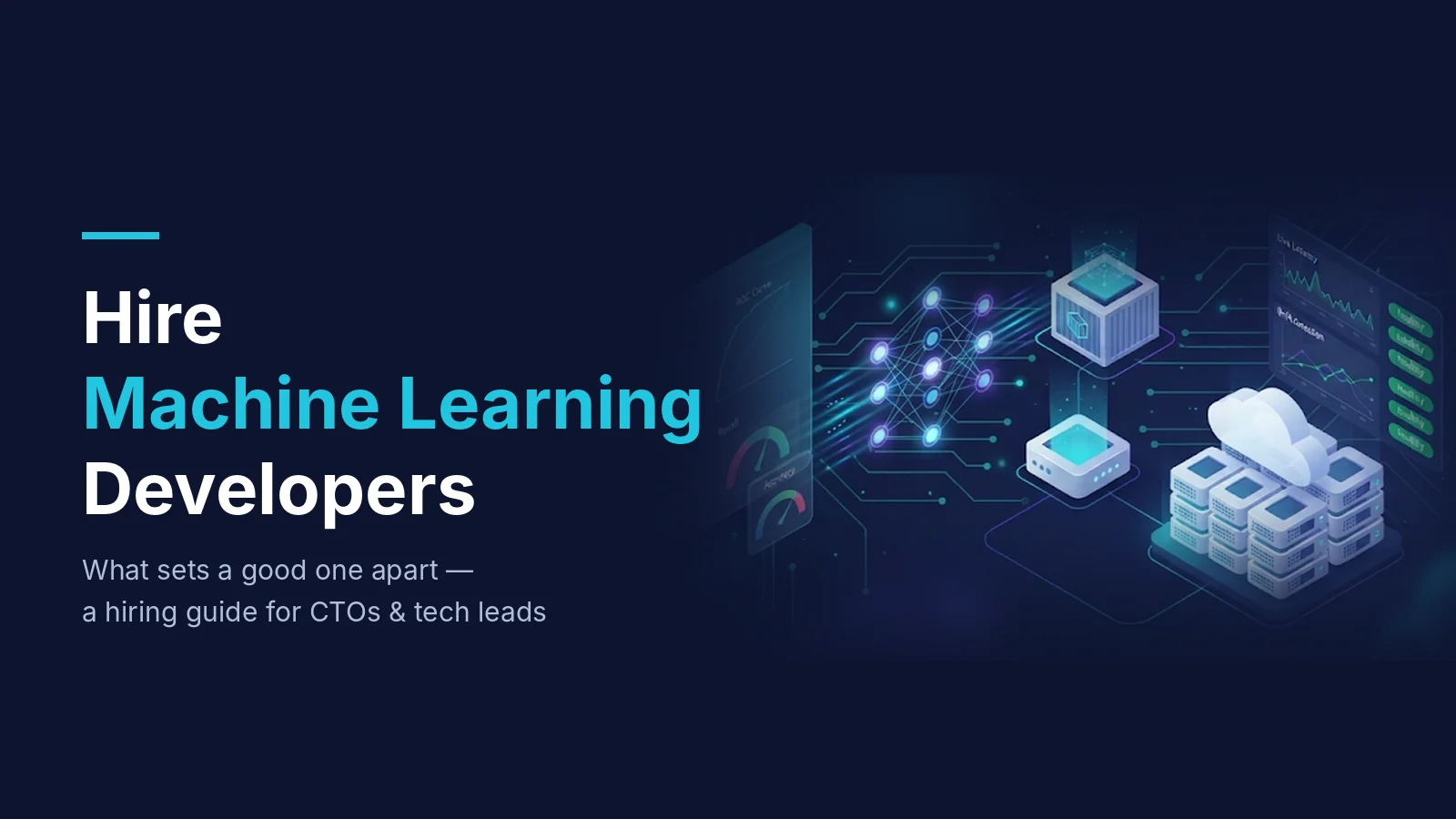
Hire Machine Learning Developers: What Sets a Good One Apart
Most machine learning developers can build models in Jupyter notebooks. Far fewer can deploy those models to production, monitor them after launch and keep them performing accurately over time. This guide covers what sets a strong ML developer apart from one who will stall your project including the production vs academic gap, how to distinguish ML developers from ML engineers and data scientists and what to verify before making a hire.
Read More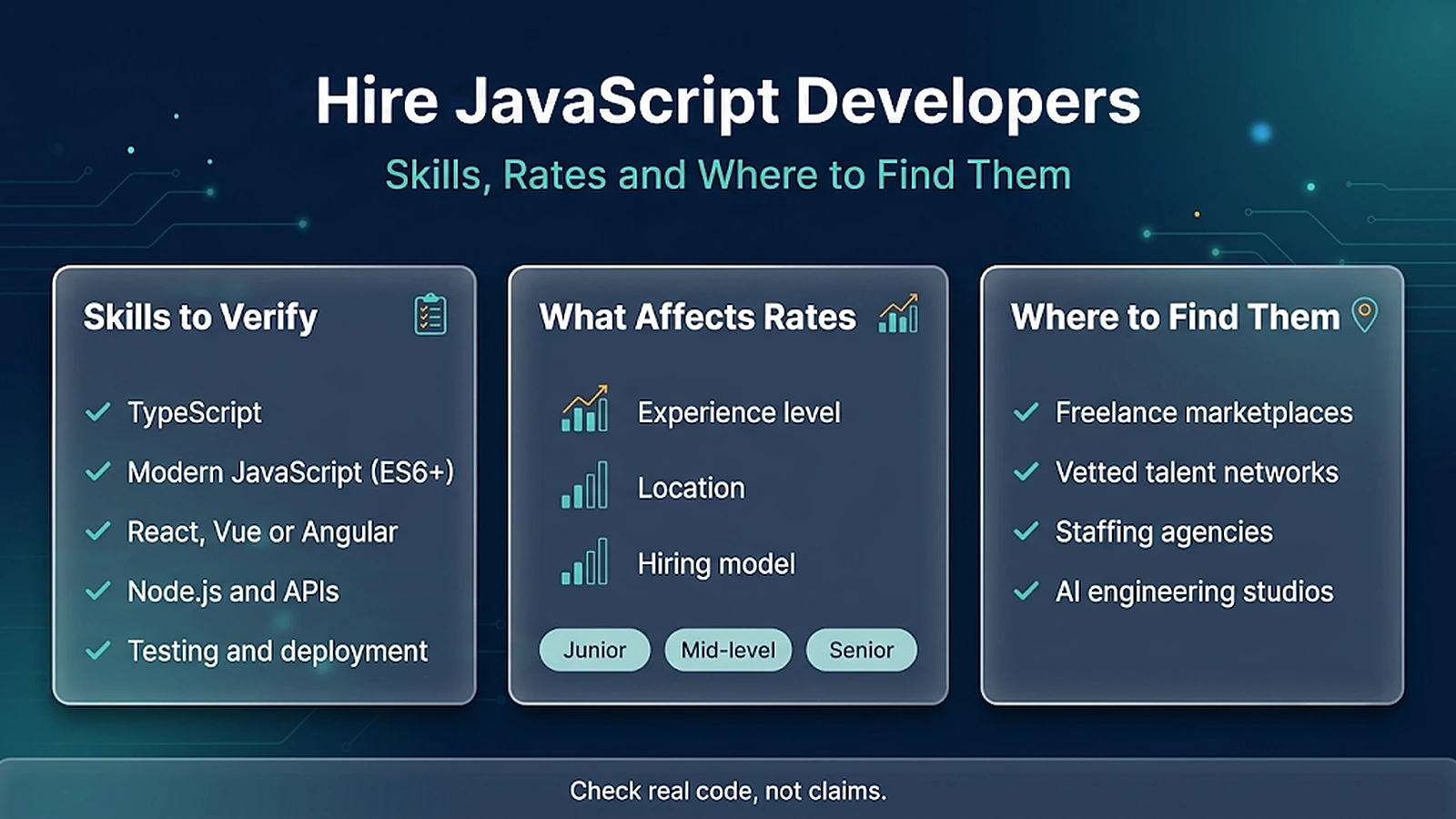
- November 21, 2026
Hire JavaScript Developers: Skills, Rates and Where to Find Them
Almost every web developer claims JavaScript experience, but the quality range is enormous. A developer who has written jQuery on a static site and one who has built production-grade React frontends or Node.js AI backends are both technically JavaScript developers. This guide gives hiring managers a practical framework for evaluating JavaScript developer skills, understanding 2026 rate benchmarks, and knowing where to find talent worth hiring.
Read More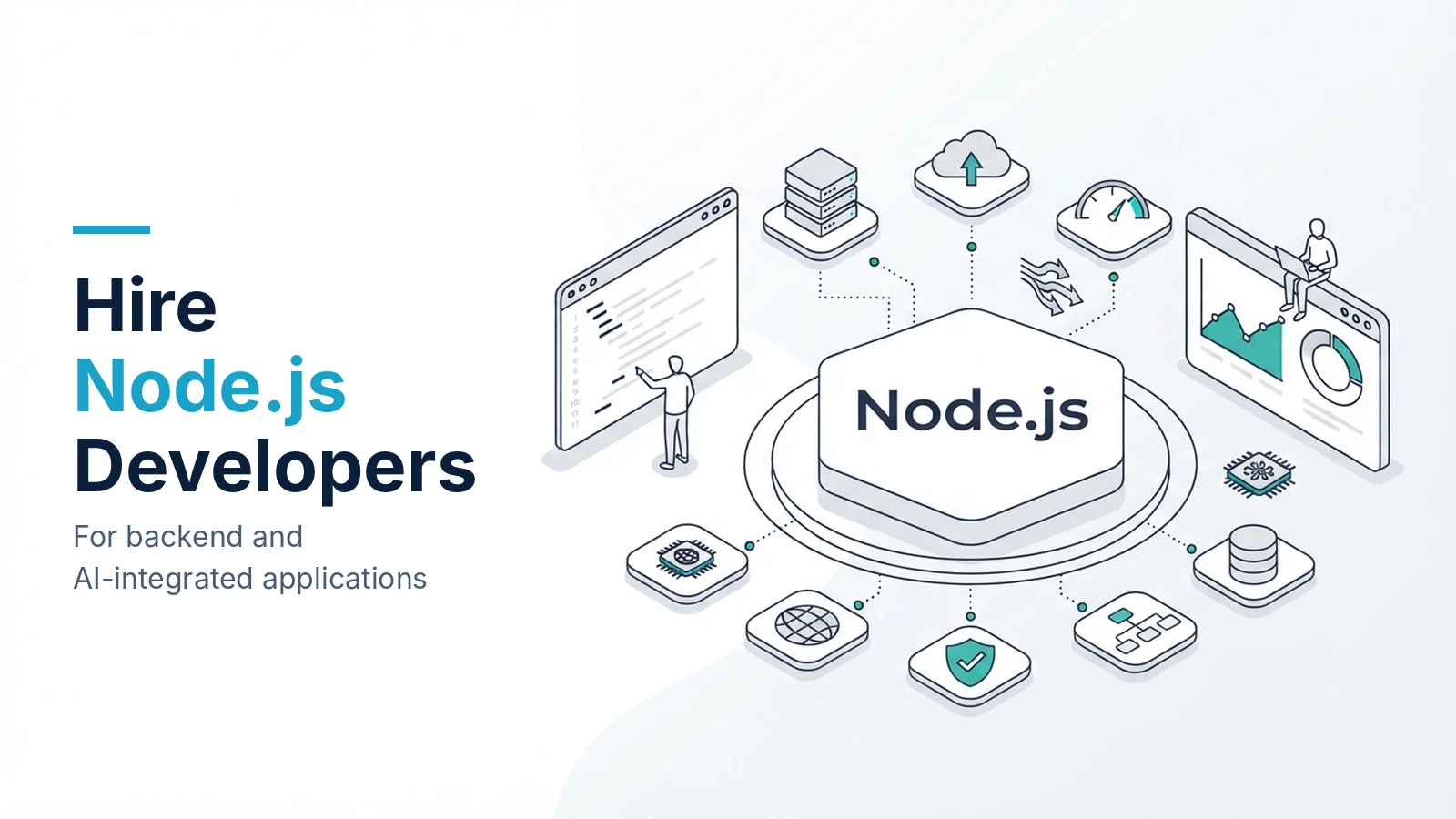
- November 20, 2026
Hire Node.js Developers for Backend and AI-Integrated Applications
Node.JS is the backend of choice for modern API development — and increasingly for AI-integrated applications that need to serve LLM responses, handle real-time data streams and connect frontend products to AI pipelines. This guide covers what to look for when you hire Node.JS developers for backend and AI-integrated work — the skills that matter, the questions that reveal production readiness and the red flags that separate strong backend engineers from developers who will slow your project dow
Read More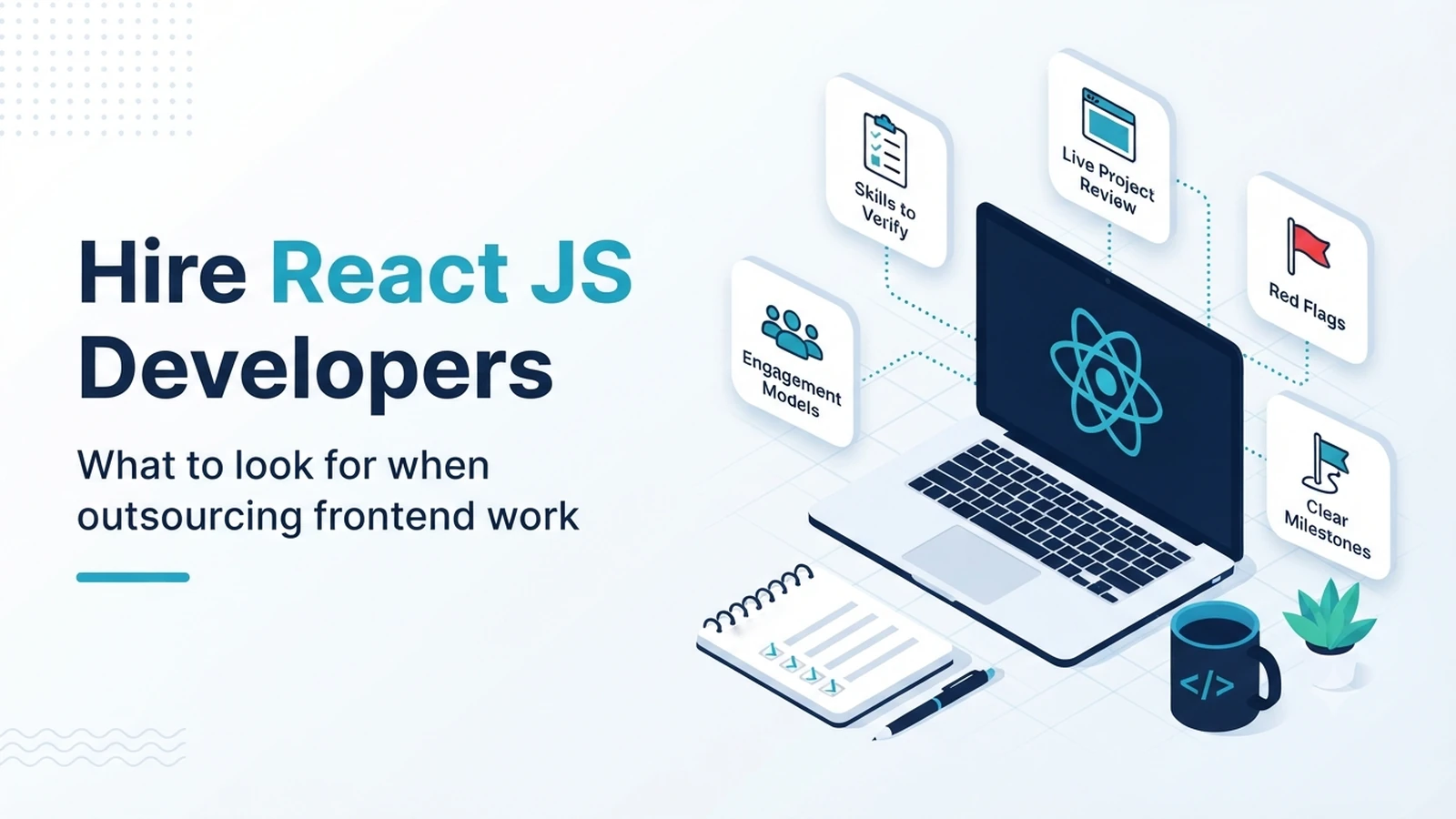
- November 19, 2026
Hire React JS Developers: What to Look for When Outsourcing Frontend Work
Outsourcing React JS frontend work without a clear evaluation framework leads to costly mistakes. This guide covers the core skills to look for, the questions to ask before signing and the red flags that separate strong React developers from developers who will slow your project down including how to evaluate React work even if you are not a React developer yourself.
Read More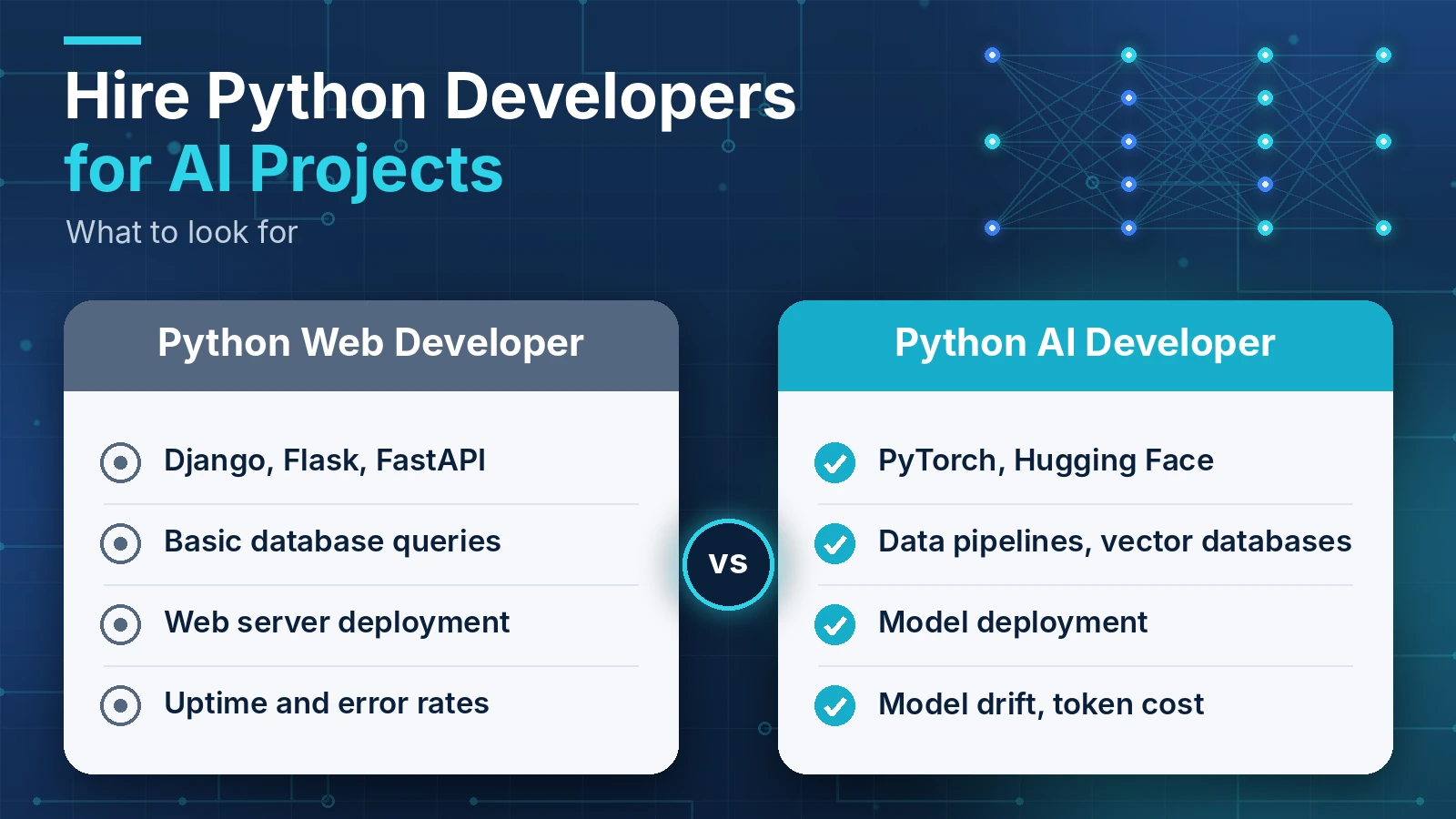
- November 18, 2026
Hire Python Developers for AI Projects: What to Look For
Most Python developers can build web apps and write scripts. Far fewer can deliver production AI systems. This guide covers exactly what to look for when you hire Python developers for AI projects, the skills that matter, the questions that reveal production readiness, and the red flags that separate general Python developers from AI-capable engineers.
Read More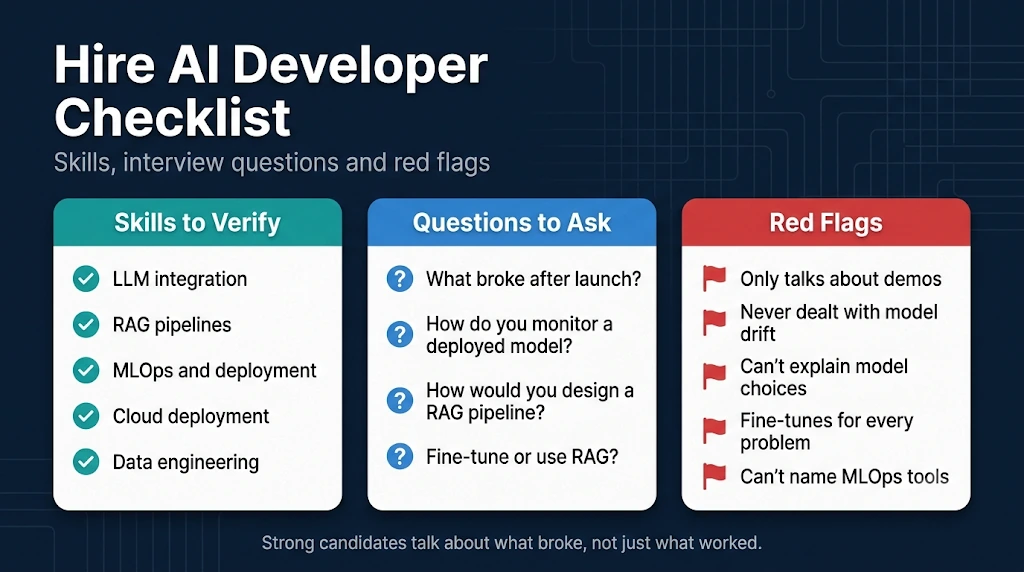
- November 16, 2026
Hire AI Developer Checklist: Skills, Interview Questions and Red Flags
Hiring an AI developer without the right checklist leads to costly mistakes. This practical guide covers the core skills to look for, the interview questions that reveal production readiness and the red flags that separate real AI engineers from overhyped generalists.
Read More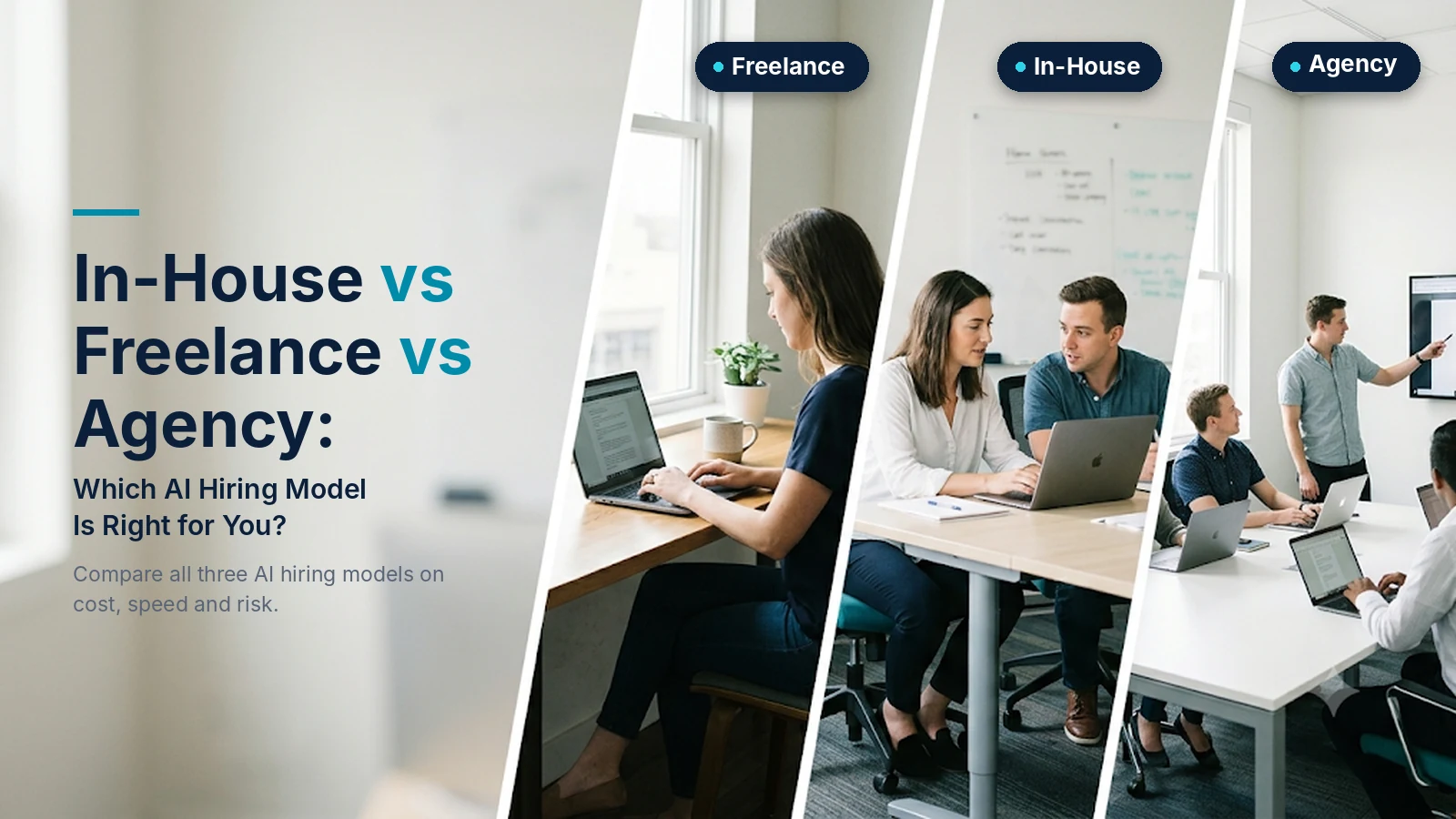
- November 13, 2026
In-House vs Freelance vs Agency: Which AI Hiring Model Is Right for You?
Choosing between an in-house hire, a freelance AI developer and an AI development agency depends on your project scope, budget, timeline and how much management time your team has. This guide compares all three models on cost, speed and risk, and shows when a hybrid approach makes sense.
Read More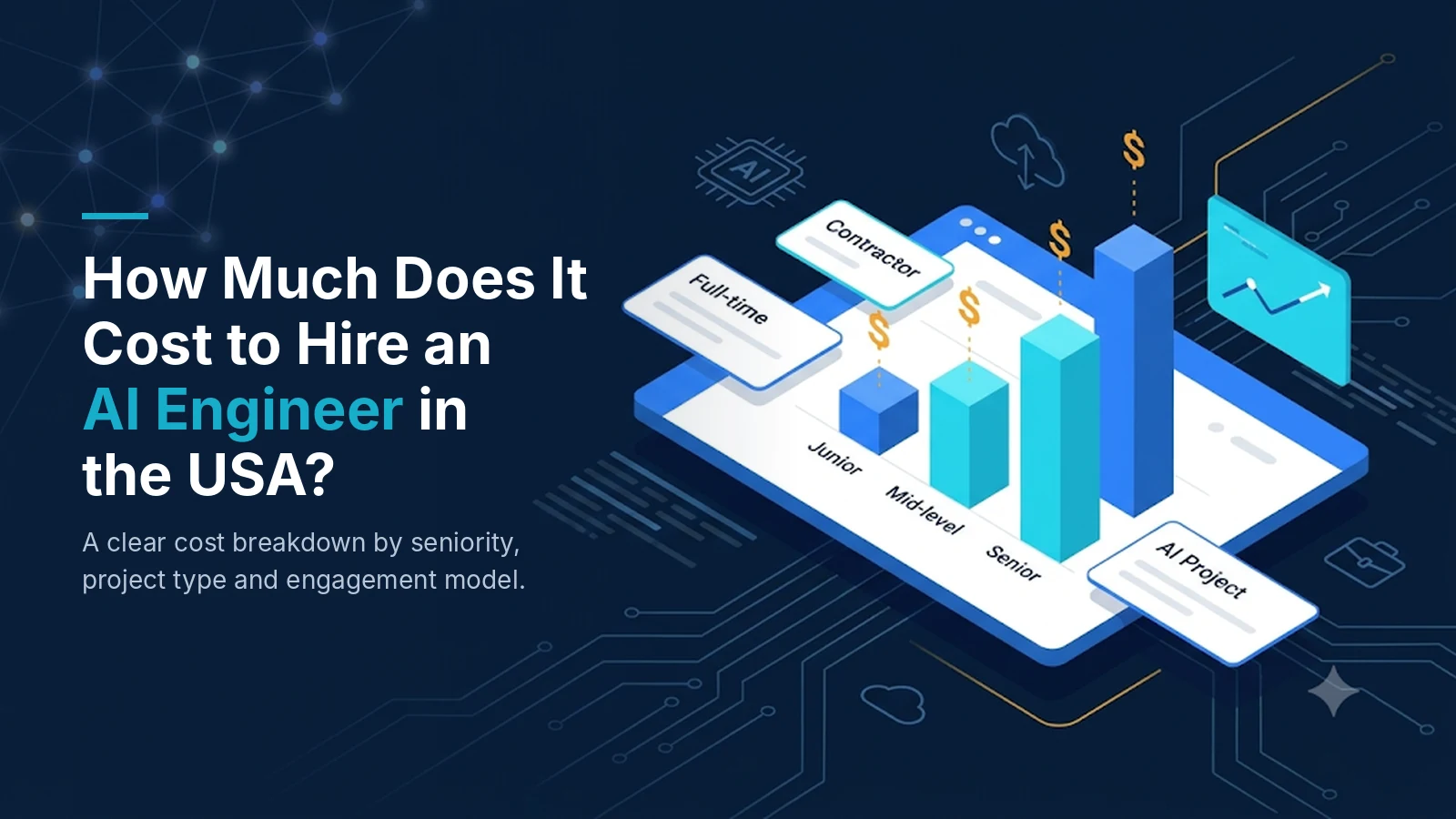
- November 12, 2026
How Much Does It Cost to Hire an AI Engineer in the USA
What does it really cost to hire an AI engineer in the USA? This guide breaks down the factors that drive the price, including seniority, specialization, project complexity and engagement model, and compares freelancers, full-time hires, recruiting agencies and AI engineering studios so you can plan a realistic budget.
Read More
- September 30, 2026
Which AI Platforms Are EU AI Act Compliant in 2026?
GPT-4o, Claude, Gemini and Mistral are taking steps toward EU AI Act compliance — but no platform carries a universal compliance badge. Whether your AI system meets EU AI Act requirements depends on the model, how it is deployed and what your business does with it. This guide breaks down what each major AI platform has done, what Article 50 transparency obligations mean for your product and how to assess your own compliance responsibilities before deploying generative AI in Europe.
Read More